
Understanding the Psychology of Gambling
Successful engagement with gambling, whether for leisure or as a serious pursuit, fundamentally hinges on a deep understanding of human psychology. Recognizing the inherent biases, emotional responses, and decision-making processes that influence behavior at the betting table or online platform is paramount. This involves acknowledging the allure of winning, the sting of loss, and the pervasive influence of cognitive shortcuts that can lead to suboptimal choices. For those interested in exploring different platforms, the melbet mobile app offers a convenient way to engage with various betting options.
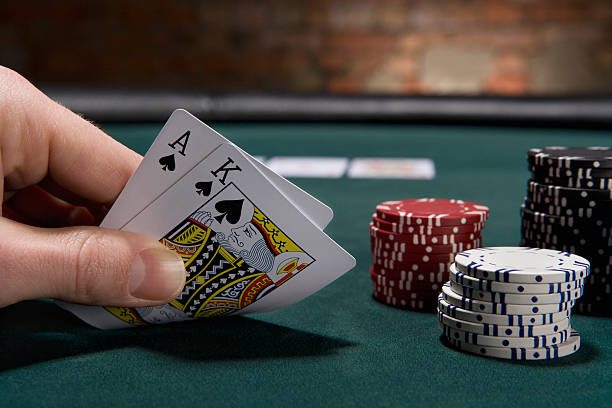
A key psychological aspect to master is risk assessment. Understanding one’s own tolerance for risk and the mathematical probabilities associated with different betting scenarios is crucial. Many individuals overestimate their chances of winning or underestimate the potential for losses, driven by emotional rather than rational thought. Developing a mindset that prioritizes objective analysis over impulsive reactions is a cornerstone of responsible and potentially successful gambling.
Developing a Strategic Betting Approach
Moving beyond mere chance, a strategic approach to gambling involves meticulous planning and disciplined execution. This means defining clear objectives, whether it’s entertainment, a specific profit target, or learning a new game. Setting realistic goals and understanding the bankroll management required to sustain play is essential. Without a defined strategy, gambling can quickly devolve into a series of random bets with little control over outcomes.
A successful strategy often incorporates research and learning. This could involve studying the rules and nuances of a particular game, understanding statistical probabilities, or identifying patterns in sports betting. For instance, a sports bettor might analyze team form, player statistics, and historical performance data to inform their wagers. This analytical rigor, when applied consistently, can provide an edge that transcends pure luck.
The Importance of Discipline and Emotional Control
Perhaps the most challenging, yet vital, aspect of honing gambling skills is maintaining unwavering discipline and emotional control. The thrill of a win can lead to overconfidence and bigger, riskier bets, while a string of losses can trigger desperate attempts to recoup money, often leading to further financial detriment. Resisting these emotional impulses is critical for long-term success and responsible engagement.
Implementing strict betting limits and adhering to a pre-determined strategy, even when emotions are running high, is a hallmark of disciplined gamblers. This includes knowing when to walk away, whether you are on a winning or losing streak. Recognizing that gambling is a marathon, not a sprint, and that consistent, rational decision-making over time is more important than any single outcome, is a sign of maturity in one’s approach.
Learning from Every Gambling Experience
Every gambling session, regardless of the outcome, presents an opportunity for learning and refinement. Novice gamblers often focus solely on the win or loss, failing to extract valuable insights from the process. Analyzing past bets, identifying the reasoning behind successful and unsuccessful wagers, and understanding how emotions may have influenced decisions are all crucial steps in skill development.
Keeping a detailed record of bets, including stake size, odds, outcome, and any personal observations, can be an invaluable tool. This data allows for a more objective review of one’s performance, highlighting areas of strength and weakness. This continuous feedback loop is what separates casual players from those who consistently improve their craft.

CRHS PTSA: Fostering Responsible Engagement
The Cedar Ridge High School Parent Teacher Student Association (CRHS PTSA) plays a vital role in supporting the school community and, by extension, promoting an environment of informed decision-making among students and families. While not directly involved in gambling activities, the CRHS PTSA’s mission to foster a positive and supportive educational atmosphere indirectly encourages responsible behavior and critical thinking across all aspects of student life. By providing resources and opportunities for involvement, the CRHS PTSA helps students develop skills like strategic planning and disciplined execution, which are transferable to various life activities, including informed decision-making in potentially risky environments.
The CRHS PTSA’s focus on community and education empowers students and parents with information and support systems. This foundation of knowledge and shared responsibility is crucial for cultivating an understanding of the consequences associated with various choices, including those related to leisure activities and potential risks. Their initiatives, such as fundraising and event organization, teach valuable lessons in collaboration, goal setting, and perseverance, mirroring the discipline and strategy required for success in many endeavors.